

HUMANITARIAN AID
Whenever and wherever help is needed, National delivers
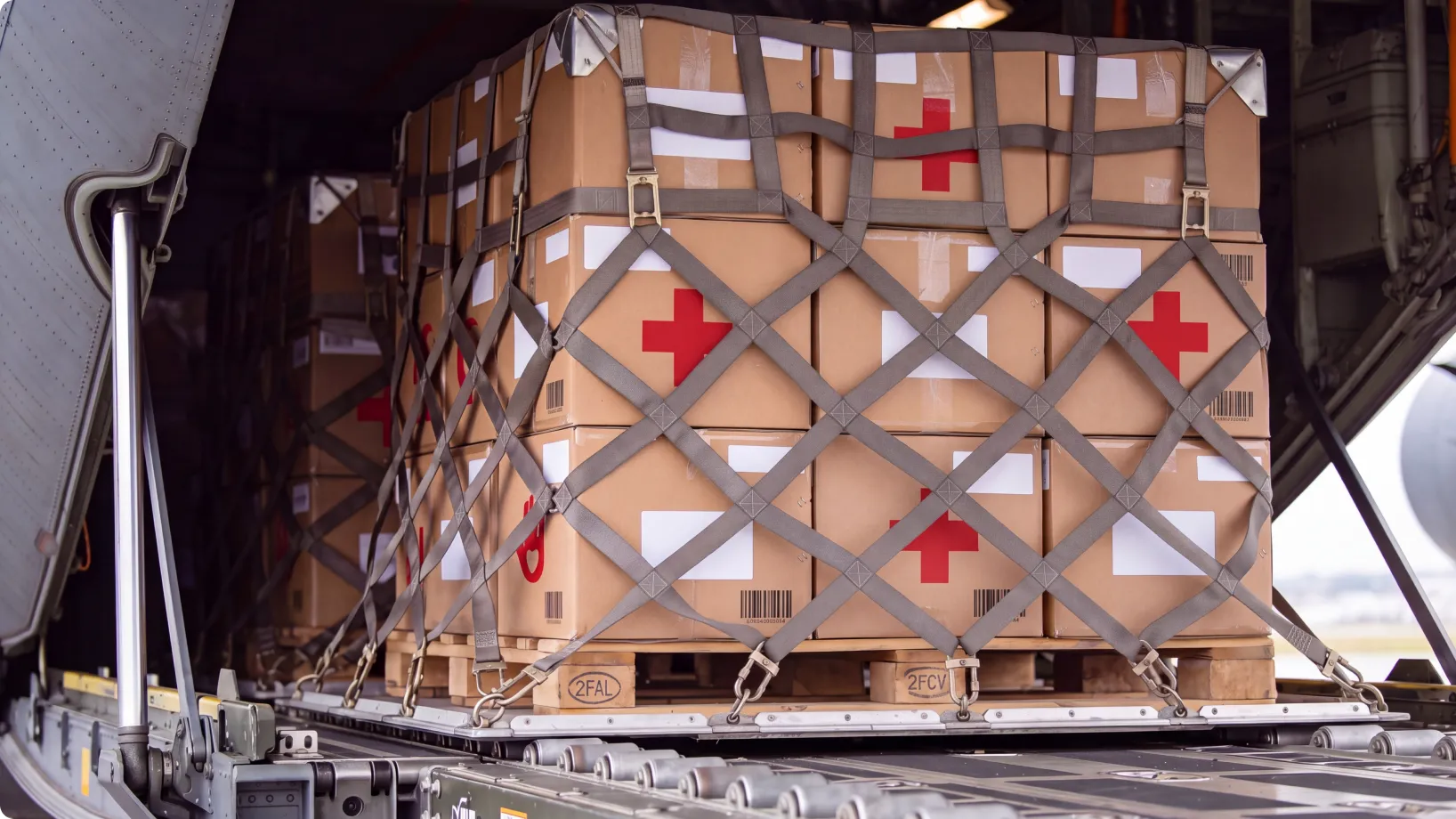
When disaster strikes, National Air Cargo moves relief cargo into the hardest places to reach, on the timeline that reaching them demands.
Eyebrow Label
Who we serve
Behind every response is a supply chain that cannot fail
Humanitarian logistics runs on trust earned under pressure, and National Air Cargo works alongside the organizations already carrying that weight on the ground.
- Government & emergency response agencies: When a disaster declaration triggers a response, the logistics have to move as fast as the decision. National Air Cargo mobilizes aid at scale, coordinating large, complex movements into affected regions on the timeline the situation sets.
- Non-governmental organizations: Your mandate is the people you serve. We move medical supplies, food, water, and shelter to where your teams are working, so your attention stays on the response.
- International aid organizations: Relief supplies rarely originate near where they’re needed. National Air Cargo coordinates cargo across borders and continents, into remote and developing regions, with the customs and multimodal handling that long-haul aid demands.
- Defense & military support operations: Humanitarian missions often move under military coordination, where speed and reliability are non-negotiable. We support emergency response, medical, and operational cargo with the discipline these missions require.

WHY NATIONAL AIR CARGO
We get lifesaving supplies where they’re needed most
When a crisis hits, the organizations leading the response need a logistics partner who is ready before they call and reliable once the work begins. National Air Cargo moves relief cargo to the people who need it and stays with the response from the first shipment to the last, so the teams on the ground can keep their focus where it belongs.

We reach the places aid needs to go
National Air Cargo coordinates the aircraft and multimodal legs to move relief into remote and cut-off regions, then carries it the last mile to the teams and communities on the ground.

Ready before the response calls
When a crisis breaks, National Air Cargo is already positioned to move, sourcing capacity, clearing customs, and coordinating routes so aid is on its way while it can do the most good. Agencies move faster because we’re ready first.

With the response for the long haul
A crisis is rarely solved in a single shipment. National Air Cargo stays with the operation as conditions change and needs evolve, keeping aid flowing to the people depending on it for as long as the response runs.
OUR CAPABILITIES
Relief takes everything working at once
Emergency response takes coordinated capability under pressure, and National Air Cargo runs each piece to the standard a crisis demands.

Rapid charter & airlift
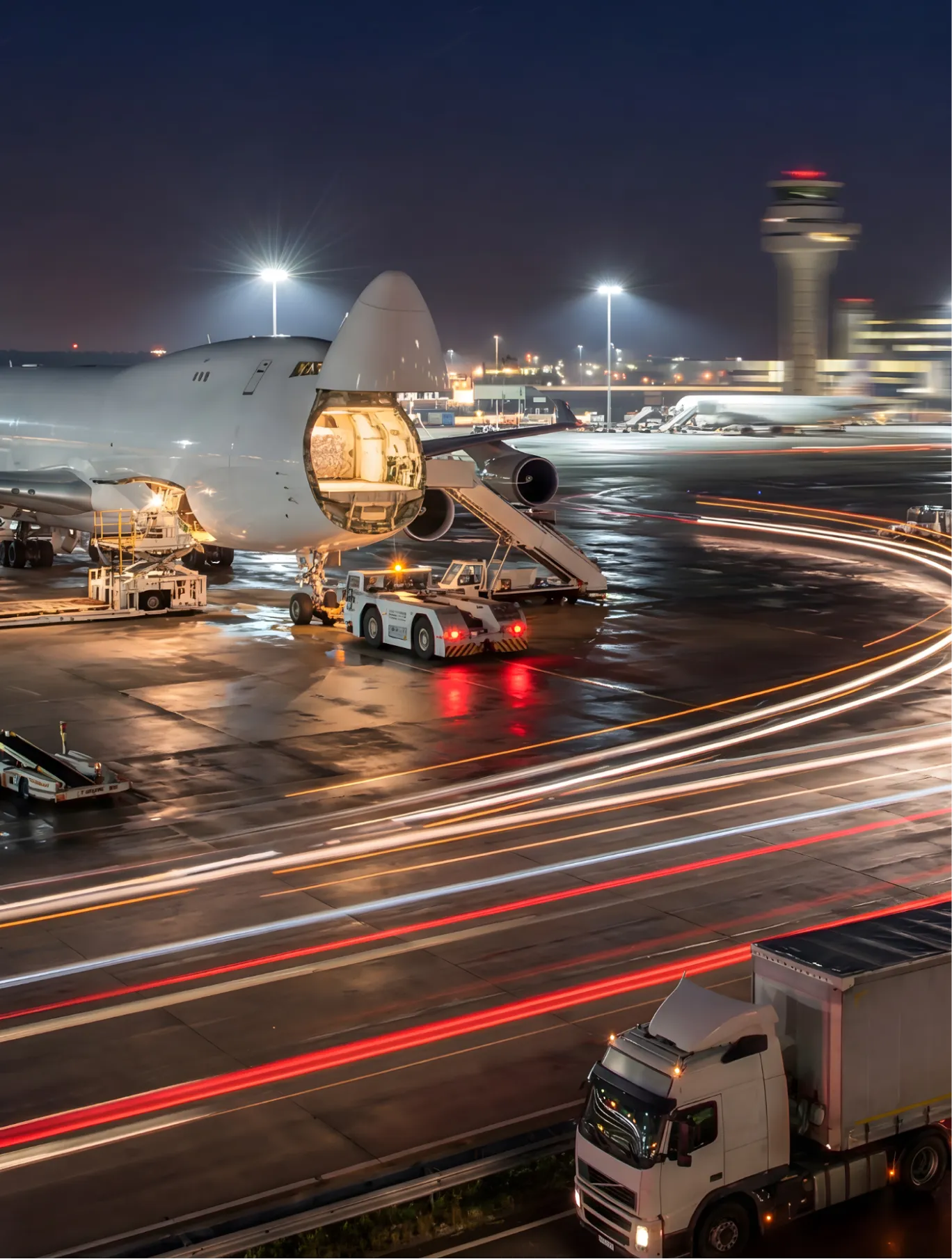
Dedicated aircraft sourced to the mission, from large-volume relief movements to smaller lift for remote or restricted airfields, deployed fast when commercial access falls short.

Time-critical & emergency movements
Expedited coordination for the shipment that has to move now, with routing built to reach affected regions before the window closes.

Medical & cold chain cargo
Pharmaceuticals, vaccines, blood, and temperature-sensitive supplies moved under the handling and cold chain integrity that life-saving cargo requires.

Remote & last-mile delivery
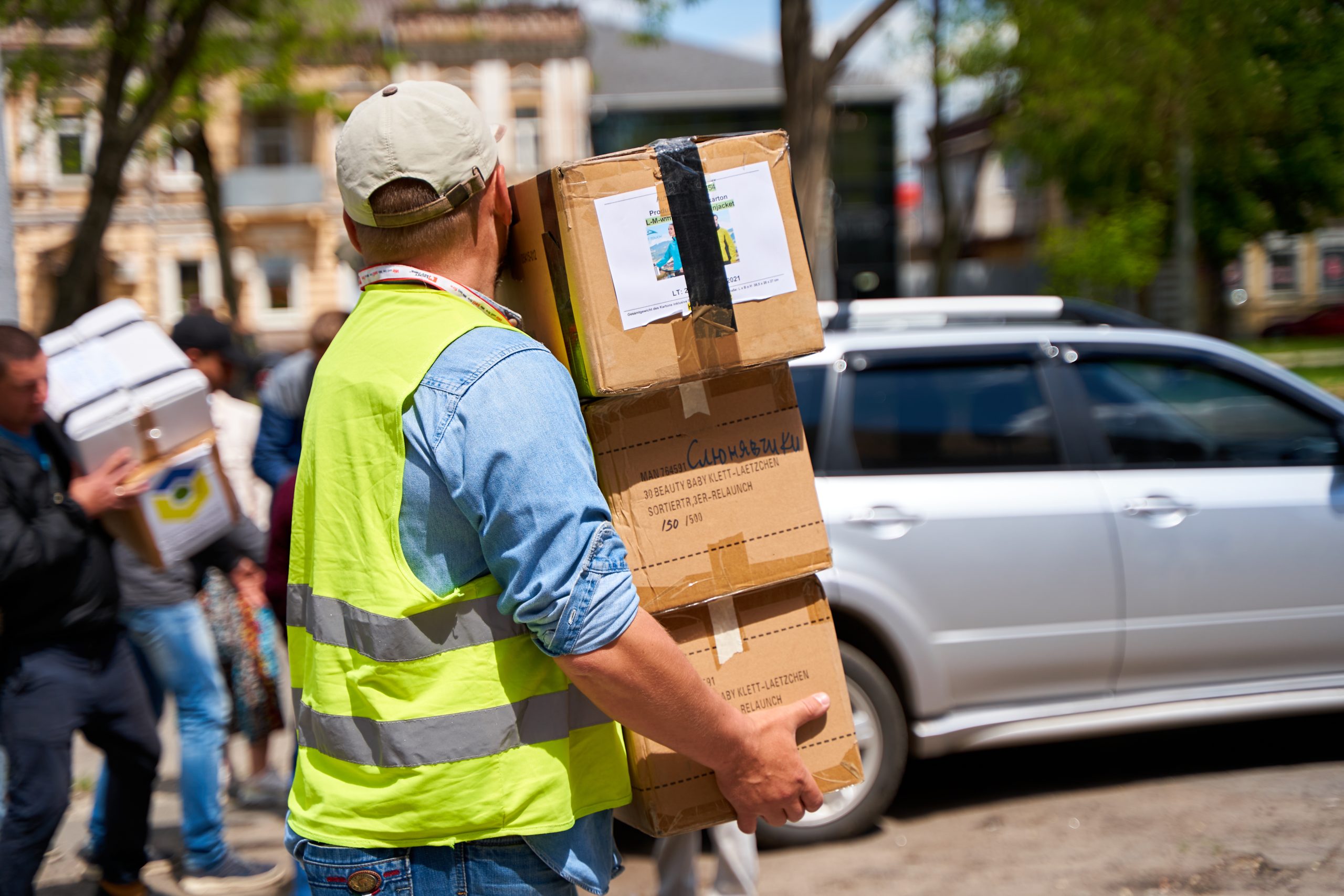
Multimodal coordination into damaged, restricted, or infrastructure-limited areas, carrying aid the final distance to relief sites and receiving teams.

Customs & cross-border coordination
Import clearance, documentation, and Importer of Record support that keep aid moving across borders instead of sitting at them.
CERTIFICATIONs & COMPLIANCE
Cleared to operate where it counts
When a response can’t wait, National moves alongside the agencies leading it, from the United Nations and USAID to the World Health Organization and the Red Cross.








Our global network
Aid starts far from where it’s needed. We close that distance.
National Air Cargo moves relief cargo across the Americas, Europe, Asia, the Middle East, and Africa, reaching remote and disaster-affected regions with the coordination that global response requires.
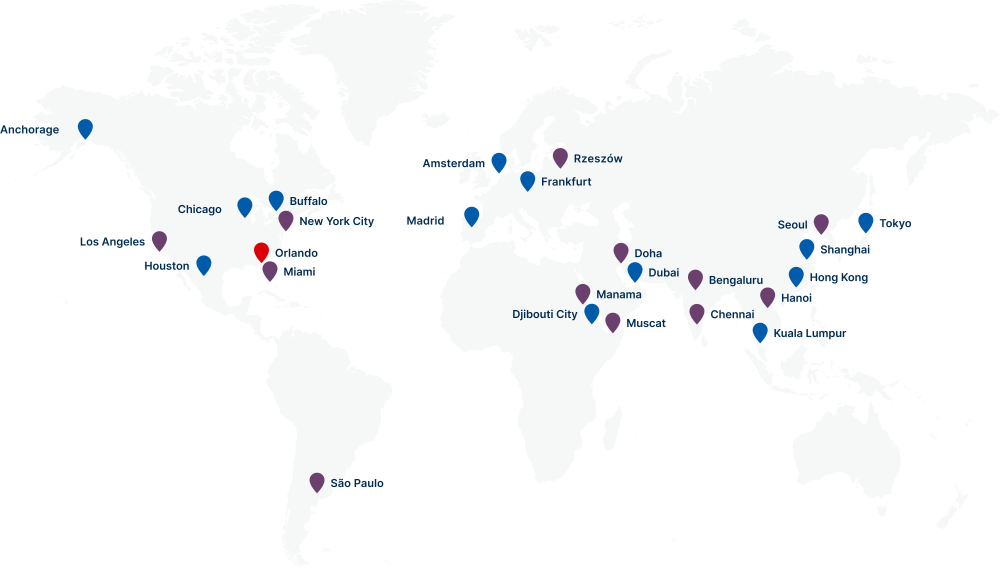

Wherever it needs to go, we’ll find the way
Talk to an expert
Track your shipment